


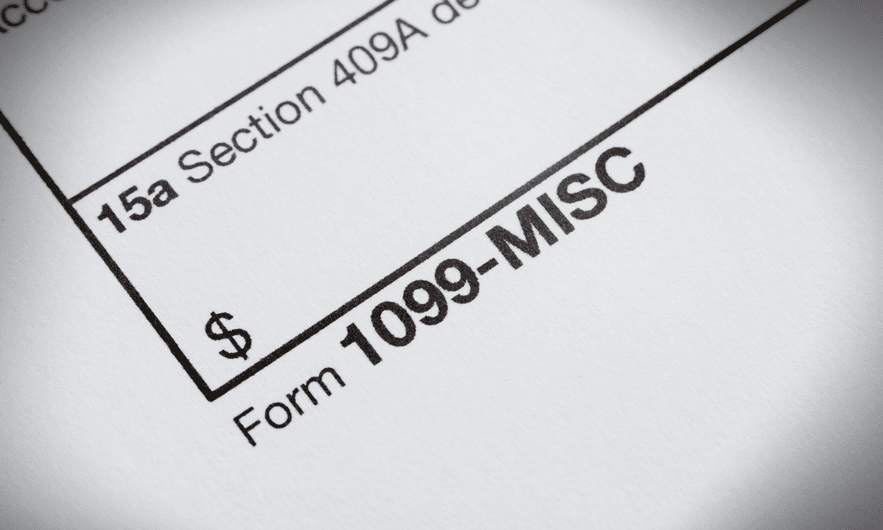
What to Do If You Get an Unnecessary or Incorrect 1099
Receiving an incorrect 1099 form can create tax headaches, but knowing the right steps to correct it early helps you void mismatches with your records and potential IRS notices.
As the new year begins, you’re going to start getting various tax forms, including the 1099. While these forms are very important and even required for reporting income, sometimes you might receive an unnecessary or incorrect 1099. This can be confusing and a bit stressful, but knowing how to solve it can save you from potential tax headaches.
What’s a 1099 Anyway?
A 1099 is used to report different types of income other than wages, salaries, and tips. There are several common types of 1099, including:
• 1099-MISC: For miscellaneous income.
• 1099-NEC: For nonemployee compensation.
• 1099-K: For payment card and third-party network transactions.
• 1099-S: For proceeds from real estate transactions.
• 1099-DIV: For dividends and distributions to taxpayers and the IRS.
When You Might Get an Unnecessary 1099
You might get an unnecessary 1099 if:
• The payment was for goods (products) rather than services.
• The total payments were less than $600.
• The payment was made to a corporation (with exceptions for medical and legal services).
Steps to Take If You Get an Unnecessary or Incorrect 1099
1. Contact the Issuer
First, reach out to the issuer of the 1099. Explain that issuing a 1099 for the purchase of goods is not standard practice and ask them to correct or void the form. Provide any necessary documentation.
2. Keep Detailed Records
Keep detailed records of your transactions (have good bookkeeping!). This includes invoices, receipts, and any correspondence with the issuer. These records will help you accurately report your income and expenses and reconcile any discrepancies that may arise from the incorrect 1099.
3. Report Correct Income
Make sure when your tax professional files your tax return, they report the correct amount of income based on complete and accurate bookkeeping. If the 1099 shows an amount that is not accurate, your tax professional should report the correct amount and include an explanation with your return.
4. Attach an Explanation
If you can’t get the 1099 corrected, your tax professional should attach a statement to your tax return explaining why the 1099 is incorrect. They should include details such as the issuer’s name, the incorrect amount reported, and the correct amount.
IRS Guidelines
According to the IRS, if you get a 1099 that shows payments you didn’t receive or is otherwise incorrect, you should contact the issuer to correct it. If you can’t get it corrected, you should report your income correctly and attach an explanation to your tax return.
Wrapping Up
Getting an unnecessary or incorrect 1099 can be a hassle, but by taking the right steps, you can make sure your tax return accurately reflects your income. Always keep detailed records, report the correct income, and communicate with the issuer to resolve any discrepancies. By doing so, you can avoid potential tax issues and ensure a smooth tax filing process.
Sincerely,
Maya Weinreb | Founder & CEO
813-336-1574

Click here to schedule a call
Need Professional Bookkeeping Support?
If you’re looking for reliable bookkeeping help, Solvency Now provides professional services for businesses across the United States.
Bookkeeping Services Near You:
Or contact our team to learn how we can help keep your books accurate and up to date.